

We are a reliable, transparent, and collaborative company. We constantly invest in research and innovation. Ours is an ecological choice: we want to preserve our planet and ensure a better world for future generations—human, animal, and plant alike.
If we look around us, each in our own home, and carefully observe the most common everyday objects, we realize that most of them contain plastic or are made of plastic.
This is no coincidence, because plastic—a very general term used to describe a wide variety of synthetic polymer-based materials—is the raw material that has made it possible to produce most of the things we know and use every day.
Plastics were created precisely to avoid using more “noble” materials such as wood, metal, or glass, and to enable products and applications that would otherwise have been unthinkable.
The electrical wires in our homes are coated in plastic; originally, they were covered in fabric, which was far less protective and highly flammable.
The telephone—an object that has become widely used and indispensable for communication, for work, and beyond—is largely made of plastic materials. If it were carved from wood, it would be ten times larger and heavier. But above all: how many trees would be cut down to produce all the mobile phones currently on the market? Had you ever thought about that?
The television, the computer, household appliances, children’s toys, car interiors… Plastic is everywhere, because its flexibility, durability, and overall affordability make it competitive with any other natural material.
Printed circuits, computer boards, keyboards, mice—every accessory is made of or contains plastic, and there is no alternative.
Eliminating it today would be impossible, uneconomical, and probably even environmentally harmful. If we tried to manufacture everything we currently make with plastic using wood, we would have to cut down—as already noted—all existing trees. If we used metal, it would be too expensive and far too heavy. With glass, it would be fragile, as well as heavy and costly.
Plastic is, contrary to what certain messaging tries to make people believe, a highly ecological material because it allows—and was created for this purpose—the avoidance of exploiting natural resources for the traditional production of everyday objects.
The “war on plastic” stems from the realization of how much of it ends up in our seas. People speak of an entire floating continent. In reality, there are five “islands,” stretching as far as the eye can see and extremely dangerous. Dangerous for us and for animals, which increasingly often die from ingesting plastic bags or plastic pieces of various sizes.
Why so much plastic ends up in the sea deserves calm and thoughtful reflection. Why does a material that is so durable end up being thrown away? This is the only truly important question you must ask yourselves—and the one you must reflect on.
The simplest answer can be found in the plastic bag that we periodically throw into the trash. In that bag, which is meant for recycling and therefore for giving this material a new life, there are no durable goods—only disposable plastic products.
Let’s look at them together: deli-meat trays, detergent containers, water or milk bottles, ice cream tubs, plates and cutlery from the last party, the tray holding the chips bought at one of the many street food stands, and much more…
To understand the scale of this material, it is enough to consider that in Italy alone, 8.4 billion plastic bottles are used—and therefore thrown away—every year. And plastic bags, before they were banned, were no less significant.
If we add to this the fact that our country holds a record for the presence of drinkable water springs (four-fifths of the world’s population does not have water, or at least not enough), the consumption of plastic bottles appears truly paradoxical—let’s admit it—and also not very responsible.
At the root of this is undoubtedly consumerism, and the ability to instill in large segments of the population needs that must then be satisfied through the purchase of something: the only one who profits is the seller. And the more distrust grows toward tap water, the more mineral water is sold—water that in recent years has even taken on new roles: it purifies, detoxifies, helps you lose weight…
But the same principle could be applied to detergents: just look at the shelves of a supermarket to realize how much disposable plastic is produced. The “hygiene” sector is no different: in many cases, it is even obvious that the packaging costs more than the product inside…
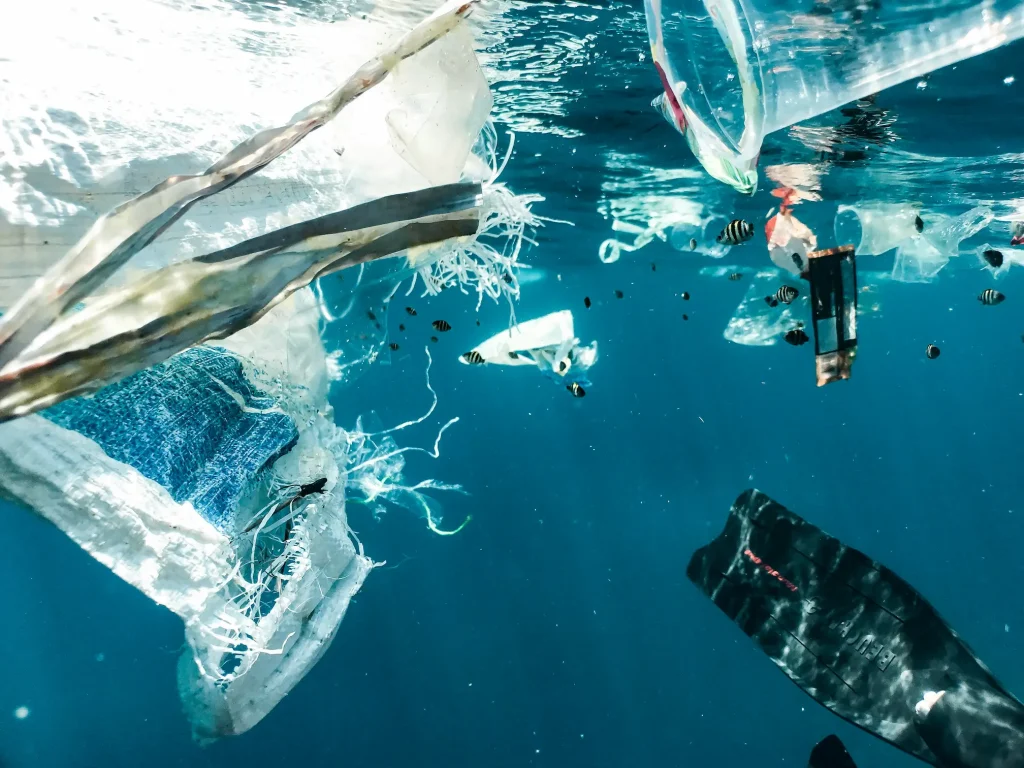
What prevents the plastic produced from being recycled? First of all, the willingness of countries to set up a collection and recycling or storage system. It is estimated that today two-fifths of the world’s population, despite using plastic, does not have any recycling or storage system. Added to this is the objective difficulty of applying the various recycling systems to the different types of plastic materials that exist. If there were only one type of “plastic,” everything would be much easier. Instead, the polymers used and their combination, depending on their intended use, have created a wide variety of materials that require different procedures. We are talking about PET, PVC, PP, PS, and the numerous resins used for a wide variety of applications.
It is therefore not a question of recycling one material, but many, often with different chemical and physical characteristics and therefore requiring different recycling systems.
Plastic can be recycled, i.e., it can have a second life, and we already have brilliant applications in everyday objects, from TV cabinets to park benches, from shopping carts to windbreaker padding.
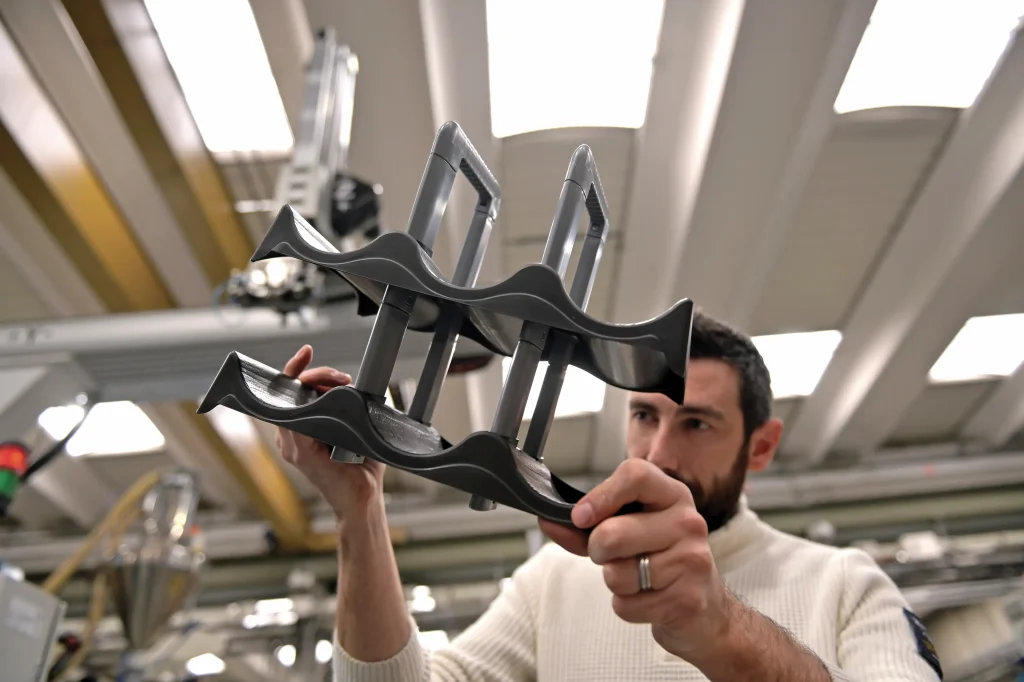
From what we have said about plastics and their use, it is clear that the problem of pollution is not so much caused by the existence of plastics as by their correct use. Plastics are durable, resistant products that allow us to obtain the most diverse shapes at the lowest cost, saving precious natural resources.
But precisely because of these characteristics, it seems crazy to use them for “disposable” products, a consumerist concept that only enriches those who produce them: you don’t use a durable material for something that has to be thrown away immediately after use.
European legislation is moving in the right direction, prescribing the elimination of “disposable” products such as bottles, cutlery, plates, and glasses, while safeguarding the concept of single-use where hygiene requires it: syringes and sterile materials used, fortunately, in medicine. However, everyone can move in the right direction without waiting for laws and their timelines. It is simply a matter of taking a good look at what is normally thrown into the plastic bag and acting accordingly to systematically reduce that type of waste, aware of the fact that what we throw into the bag today will most likely, unfortunately and despite our good intentions, end up in the sea.
Investing, innovating, producing durable plastic items that are 100% recyclable, with full respect for the environment and people. We manufacture items for separate waste collection and, through the “Ci penso io” (I’ll take care of it) project and school trips, we teach the younger generation the importance of recycling. Together with Massimo Mercantini, an expert in gardening and more, we organize green days where children get their hands in the soil, smell its scent, and plant herbs, flowers, and vegetables that they can then watch grow and harvest and enjoy.
We start with small things and, day after day, step by step, together we can climb a new rung to reach a common goal: a sustainable world, a better world.
Passion, tenacity, and determination are very contagious, so get passionate about the well-being of our world too!
SUPPORT THE WORLD, WE ARE DOING IT.

